Bamboo, Napier and Sorghum in Southeast Asia
Open access module via USSoL (universities of signs & signatures)
Free USSoL learning module adapted from JuPeL (jupel/bamboo/bamboo_md/bamboo_napier_sorghum_seasia.md).
Feedstock, Biofuel Pathways and Business Models
A literature-driven report prepared for JuPeL
Authors
M A Sani · TLAQ.org · megatahmadsani@gmail.com
Abstract
This report reviews Bambusa, Dendrocalamus and Gigantochloa bamboos, Pennisetum/Cenchrus (napier) and Sorghum bicolor as feedstuffs and lignocellulosic feedstocks for production of diesel-range biofuels in Southeast Asia. It synthesises agronomy, biomass yields, nutritive value for ruminants, conversion technologies (pyrolysis, hydrothermal liquefaction, gasification + Fischer-Tropsch, biochemical upgrading), material and processing requirements, environmental and social considerations, and viable business models for smallholder and regional enterprises. The report provides standardised laboratory and field methods, mass-and-energy yield templates, techno-economic model CSVs, risk and sensitivity analyses, and practical recommendations for pilot projects and scale-up suited to tropical smallholder contexts. Key findings: (1) high perennial biomass yields and rapid regrowth of bamboo and napier make them promising feedstock sources; (2) nutritive quality varies with species, age and processing — ensiling and supplementation improve feed value for goats; (3) conversion to diesel-range hydrocarbons is technically feasible but capital-intensive; decentralised small-scale pathways (pyrolysis with centralised upgrading, HTL for wet biomass) offer intermediate options; (4) integrated feed-fuel business models, co-operative processing, and co-product valorisation (biochar, activated carbon, animal feed, biochemicals) improve economics and sustainability.
Keywords
Bamboo, Napier, Sorghum, biofuel, HTL, pyrolysis, Fischer-Tropsch, feedstuff, Southeast Asia, techno-economics, JuPeL
Document tier · subscriber (mixed: free / subscriber / premium sections marked below)
Table of Contents
- §1 · Introduction and objectives [free]
- §2 · Regional context: Southeast Asia agronomy and supply chains [subscriber]
- §3 · Species profiles [subscriber]
- §3.1 · Bambusa (selected species)
- §3.2 · Dendrocalamus (selected species)
- §3.3 · Gigantochloa (selected species)
- §3.4 · Napier (Pennisetum/Cenchrus)
- §3.5 · Sorghum bicolor
- §4 · Biomass production, harvesting and post-harvest handling [subscriber]
- §4.1 · Yields and productivity ranges
- §4.2 · Harvest cycles and management
- §4.3 · Drying, chipping, pelletising, torrefaction
- §5 · Feedstuff analysis and animal nutrition [subscriber]
- §5.1 · Proximate and ultimate composition
- §5.2 · Digestibility and intake studies (ruminants)
- §5.3 · Preservation: ensiling, drying, treatment
- §5.4 · Anti-nutritional factors and treatment methods
- §6 · Conversion pathways to diesel-range fuels [subscriber]
- §6.1 · Pyrolysis and bio-oil upgrading
- §6.2 · Gasification + Fischer-Tropsch
- §6.3 · Hydrothermal liquefaction (HTL)
- §6.4 · Biochemical routes and catalytic upgrading
- §6.5 · Comparative yields and energy balances
- §7 · Laboratory and field methods (SOPs) [subscriber]
- §7.1 · Sampling and sample prep
- §7.2 · Proximate/ultimate analysis protocols
- §7.3 · Pyrolysis/HTL small-scale tests
- §7.4 · Gasification/FT pilot test guidelines
- §7.5 · Animal nutrition assays (in vitro/in vivo)
- §8 · Techno-economic models and templates (CSV) [subscriber]
- §8.1 · Mass balance templates
- §8.2 · CAPEX/OPEX templates
- §8.3 · Sensitivity and NPV models
- §9 · Business models and value chains [subscriber]
- §9.1 · Smallholder co-operative models
- §9.2 · Decentralised modular processing (pyrolysis/HTL)
- §9.3 · Integrated feed-fuel enterprises
- §9.4 · Market and policy considerations
- §10 · Environmental, social and sustainability assessment [subscriber]
- §10.1 · GHG balance and carbon accounting
- §10.2 · Land use, biodiversity and ecosystem services
- §10.3 · Social impacts and labour requirements
- §11 · Pilot project design and implementation roadmap [premium]
- §12 · Recommendations and conclusions [subscriber]
- §13 · References [free]
- §14 · Appendices (SOPs, data sheets, CSV templates) [premium]
§1 · Introduction and objectives
Tier · free
Southeast Asia has abundant perennial biomass resources well suited to both animal feed and bioenergy production. Fast-growing grasses and woody grasses — notably bamboo (Bambusa, Dendrocalamus, Gigantochloa), napier (Pennisetum/Cenchrus spp.) and Sorghum bicolor — deliver high annual yields on a range of soils and can fit smallholder, plantation and marginal-land systems.
Interest in these crops arises from three interlinked needs: (1) improve livestock feed security by supplying affordable, perennial roughages and conserved fodder; (2) develop sustainable, locally sourced feedstocks for diesel-range biofuels to reduce fossil imports and rural energy deficits; and (3) build resilient rural livelihoods through integrated value chains that combine feed, fuel and co-products (biochar, charcoal, handicrafts, activated carbon).
This report synthesises agronomy, feed-quality, conversion technologies, laboratory/field methods, techno-economic models and business models for these species in the Southeast Asian context. It emphasises practical, evidence-based guidance suitable for researchers, extension agents, co-operatives and policy makers planning pilot projects or scaling integrated feed-fuel enterprises.
Objectives
- Provide species-level profiles for Bambusa, Dendrocalamus, Gigantochloa, Pennisetum/Cenchrus (napier) and Sorghum bicolor focusing on biomass productivity, harvest management and relevant traits for feed and biofuel.
- Summarise nutritive composition, digestibility and preservation methods for use as ruminant feed (with implications for goats and small ruminants).
- Review and compare technical pathways to produce diesel-range fuels from lignocellulosic biomass — pyrolysis + upgrading, gasification + Fischer-Tropsch, and hydrothermal liquefaction — with representative mass-and-energy yield ranges and key process constraints.
- Provide standardised laboratory and field SOPs for biomass sampling, proximate/ultimate analysis, small-scale conversion tests (pyrolysis, HTL, gasification) and animal nutrition assays.
- Deliver techno-economic templates (CSV) for mass balances, CAPEX/OPEX and sensitivity/NPV analysis, tailored to smallholder and decentralised processing scenarios.
- Outline viable business and value-chain models (co-operative, decentralised modular plants, integrated feed-fuel enterprises), with risk-mitigation and scaling pathways.
- Assess environmental, social and sustainability implications (GHG accounting, land use, biodiversity, labour) and provide policy and practical recommendations for pilot implementation in Southeast Asia.
Scope and assumptions
- Geographic focus: tropical and subtropical zones of Southeast Asia; examples and parameter values reflect this region unless otherwise noted.
- Evidence base: literature through 2026, plus standard methods (ISO, ASTM, FAO) adapted for the species and contexts discussed.
- Deliverables: literature synthesis, SOPs, CSV templates for techno-economic modelling, figures and prioritised recommendations for pilot projects.
§2 · Regional context: Southeast Asia agronomy and supply chains
Tier · subscriber
Agroecological overview
- Climate: tropical to subtropical; mean annual temperatures ~20-30°C, high humidity and monsoon rainfall (annual 1,000-4,000 mm) across most lowland and many upland zones.
- Soils: highly variable — volcanic, alluvial and lateritic soils predominate; many areas with moderate to low fertility and variable drainage.
- Land use: smallholder mosaics (mixed crops, agroforestry, livestock), plantation agriculture (oil palm, rubber), fallow and degraded lands suitable for perennial grasses and bamboo.
Relevance to feed and biofuel feedstocks
- Suitability: Bamboo, napier and sorghum adapt well to marginal soils and variable rainfall; napier and sorghum tolerate moderate drought and can be established on degraded land; many bamboo species thrive in humid tropics and provide perennial biomass with low annual replanting needs.
- Growing season and yields: Multiple harvests per year for napier and sorghum in favorable areas; bamboo yields depend on culm age and rotation but provide continuous culm and leaf harvests after establishment.
Feed supply chains and livestock systems
- Livestock profile: Predominantly small ruminants (goats, sheep), backyard cattle, and mixed poultry; grazing is often mixed with cut-and-carry systems for confined animals.
- Feed shortages: Seasonal feed gaps during dry seasons and lean periods drive interest in conserved fodder (silage, hay) and perennial roughages.
- Current feed sources: Natural pastures, crop residues (rice straw), commercial concentrates (limited due to cost), and forage grasses (napier) in cut-and-carry systems. Bamboo leaves/shoots are used locally but unevenly documented.
Biomass supply chains for bioenergy
- Feedstock availability: High biomass per hectare for napier, bamboo and miscanthus-like crops; residues (bamboo processing waste, bagasse from sugarcane, sorghum bagasse) can supplement dedicated energy crops.
- Logistics constraints: High moisture content at harvest (esp. napier, fresh bamboo), transport distances, and need for drying or wet-conversion (HTL) influence viability. Local clustering of farms and cooperative consolidation improve economics.
- Processing infrastructure: Limited regional capacity for advanced upgrading (hydrotreating, FT synthesis); small/medium pyrolysis units, charcoal kilns and simple gasifiers exist in some areas. Centralised upgrading facilities are capital-intensive and rare.
Markets and policy environment
- Energy policy: Regional interest in bioenergy and rural electrification; varied national incentives and blending mandates across Southeast Asian countries.
- Feed markets: Local demand for low-cost roughage and conserved feeds; value placed on consistent quality and year-round supply.
- Certification and standards: Few local standards for biomass fuels; international standards for biofuels and sustainability increasingly relevant for export markets.
Socio-economic context
- Land tenure: Fragmented smallholder holdings; communal and customary rights in some areas affect scaling and cooperative formation.
- Labour and skills: Labour-intensive cultivation and processing favor local employment; technical skills for advanced conversion technologies are limited and require capacity building.
- Finance: Access to capital is constrained for smallholders; business models that minimise upfront CAPEX (contracting, cooperatives, pay-as-you-go modular units) are more feasible.
Implications for project design
- Favor perennial, high-yield crops that fit smallholder systems (napier, bamboo clumps) and allow staged investment.
- Prioritise conversion routes matched to local logistics: HTL for wet, high-moisture feedstocks; pyrolysis with centralised upgrading where drying is feasible; modular gasification for clusters with technical support.
- Build cooperative supply chains to aggregate biomass, share processing assets, and access markets; include feed markets alongside fuel to diversify revenue.
§3 · Species profiles
Tier · subscriber
Species profiles — key traits for feed and biofuel uses.
3.1 Bambusa (selected species)
- Typical species: Bambusa vulgaris, Bambusa blumeana, Bambusa balcooa, Bambusa oldhamii.
- Growth habit: Clumping (sympodial), perennial; establishes from rhizome/culm sets; forms dense clumps that expand slowly.
- Productivity: Dry biomass yields vary widely; representative ranges: 10-40 t dry matter (DM)/ha·yr for intensively managed stands; older, well-managed clumps can yield higher in optimal conditions. Culm yield depends on age class management (3-5 year rotation for poles). Leaf and branch biomass add to fodder supply.
- Culm/leaf traits: Culms thick-walled to medium-walled depending on species; leaves moderate in protein (5-12% crude protein (CP) DM) when young; older leaves lower CP and higher fiber. Some species produce edible shoots useful for human consumption (adds value).
- Strengths (biofuel/feed): High perennial yields, easier harvesting of culms, useful for both dry conversion (pyrolysis, gasification) and as feed after processing/supplementation.
- Constraints: Variable nutritive quality; lignin content can reduce digestibility; harvest logistics (large culms) and need for chopping/chipping for conversion.
- Typical uses: Poles, construction, charcoal, biochar feedstock, animal fodder (leaves/shoots), feedstock for pyrolysis/HTL after chipping.
3.2 Dendrocalamus (selected species)
- Typical species: Dendrocalamus asper, Dendrocalamus giganteus, Dendrocalamus strictus.
- Growth habit: Often tall, clump-forming with large diameter culms; some species reach substantial heights quickly.
- Productivity: High biomass potential in suitable soils; DM yields often 20-60 t/ha·yr under intensive management (site and species dependent). Large culm size increases per-harvest biomass.
- Culm/leaf traits: Thick-walled in some species (good for timber), leaves similar to Bambusa in nutritive profile; shoots edible in certain species. High lignin in mature culms.
- Strengths: Large biomass per harvest, good for bulk fuel/charcoal; suitable for HTL if chipped and pretreated; leaves for fodder when young.
- Constraints: Harvesting logistics (heavy poles), higher lignin reduces accessibility for biochemical conversion; variable availability for smallholders due to planting scale.
- Typical uses: Construction, high-value poles, charcoal, biochar, biomass feedstock, occasional fodder.
3.3 Gigantochloa (selected species)
- Typical species: Gigantochloa apus, Gigantochloa scortechinii, Gigantochloa levis.
- Growth habit: Clump-forming, can be very tall and produce straight culms; commonly used in Southeast Asian plantations.
- Productivity: Comparable to Bambusa/Dendrocalamus on good sites (10-40+ t DM/ha·yr).
- Culm/leaf traits: Medium to thick culms, variable wall thickness; leaves usable for fodder when young.
- Strengths: Widely used in regional construction and crafts; suitable biomass for pyrolysis/gasification.
- Constraints: Same as other clump bamboos — variable nutritive value, processing needs.
- Typical uses: Poles, handicrafts, fuel/charcoal, feedstock.
3.4 Napier (Pennisetum/Cenchrus spp.)
- Typical cultivars: Pennisetum purpureum (Napier grass), Pennisetum hybrid varieties (e.g., cv. Pakchong 1), Cenchrus species for drought tolerance.
- Growth habit: Perennial C4 grass, fast regrowth after harvest, multiple harvests per year (4-12 depending on management and climate).
- Productivity: High fresh biomass yields: 40-120 t/ha·yr fresh (~8-30 t DM/ha·yr) under good management and irrigation/fertiliser; yields vary widely by cultivar, soil fertility, and rainfall.
- Fodder traits: Young napier has moderate to high CP (8-16% DM) when well-managed; digestibility declines with stem maturity (NDF/ADF increase). Suited to cut-and-carry systems and ensiling.
- Strengths (feed): Excellent for ruminant fodder, high regrowth, easy to chop/ensile, good forage persistence; compatible with mixed cropping and intercropping.
- Strengths (biofuel): High annual yields make it attractive for cellulosic conversion; high moisture content favors HTL if wet conversion chosen.
- Constraints: High moisture requires drying or wet conversion; harvesting frequency and fertiliser inputs affect economics; susceptible to pests/diseases in some locales.
- Typical uses: Cut-and-carry fodder, silage, biomass for combustion/HTL/gasification, erosion control.
3.5 Sorghum bicolor
- Growth habit: Annual or short-season perennial (depending on cultivar), C4 grass tolerant of drought; includes dual-purpose varieties (grain + biomass) and biomass/silage cultivars.
- Productivity: Biomass yields vary 10-50 t DM/ha·yr depending on irrigation, cultivar, and season; sweet sorghum offers fermentable sugars in stalks plus bagasse.
- Fodder traits: Good forage quality when harvested at appropriate stage; CP typically 6-12% DM in mature biomass; digestibility varies with stage. Well suited for silage and mixed rations.
- Strengths (biofuel): Sugar and bagasse in sweet sorghum allow ethanol routes (then upgrading) and bagasse for pyrolysis/gasification; drought tolerance allows cultivation on marginal lands.
- Constraints: Seasonal crop requiring annual planting; dual harvesting for grain and biomass complicates logistics; bagasse requires drying/processing.
- Typical uses: Silage, hay, green chop, biomass for pyrolysis/HTL/gasification, sugar extraction for fermentation.
Cross-species notes relevant to feed and biofuel design
- Biomass composition: All species are lignocellulosic with variable cellulose, hemicellulose and lignin ratios; bamboo culms have higher lignin and structural carbohydrates versus napier/sorghum stems and leaves. Higher lignin complicates biochemical conversion and reduces digestibility for ruminants.
- Harvesting form: Napier and sorghum produce fine-stem biomass easy to chop; bamboo produces large culms needing splitting/chipping. Conversion choice should match feedstock form (HTL for wet herbaceous; pyrolysis/gasification for dry chipped woody biomass).
- Feed vs fuel tradeoffs: Younger biomass and leaves have higher feed value but lower lignocellulosic energy density per mass; balancing feed demand and fuel production is central to integrated business models.
§4 · Biomass production, harvesting and post-harvest handling
Tier · subscriber
4.1 Yields and productivity ranges
Bamboo (Bambusa, Dendrocalamus, Gigantochloa)
- Establishment: 1-3 years to reach full production after planting; optimal stocking depends on species (400-1,000+ culms/ha for clump management).
- Representative dry matter (DM) yields (region and management dependent): 10-60 t DM/ha·yr. Lower ranges (10-20 t DM/ha·yr) for low-input stands; medium 20-40 t DM/ha·yr for mature managed clumps; top yields (40-60 t DM/ha·yr) reported for intensively managed plantations and fast-growing Dendrocalamus/Bambusa balcooa under irrigation/fertiliser.
- Harvest form: Culm yield (timber/poles) and leaf/branch biomass; rotational harvest (3-5 year cutting cycle for poles) with annual leaf/branch removal possible.
Napier (Pennisetum/Cenchrus)
- Establishment: Rapid establishment from sets; ratoon regrowth allows multiple cuts/yr after establishment (3-6 months between cuts typical).
- Representative yields: Fresh yields 40-120 t/ha·yr; DM yield ~8-30 t DM/ha·yr depending on cutting interval, soil fertility and moisture. High-yielding hybrids and irrigated systems achieve top ranges.
Sorghum bicolor
- Establishment: Annual crop; biomass harvest at vegetative or reproductive stages depending on use.
- Representative yields: 10-50 t DM/ha·yr; sweet sorghum yields depend on sugar content and stalk biomass.
Notes on yield reporting
Use DM consistently; convert fresh mass to DM using measured moisture content (typical DM fractions: napier fresh ~15-25% DM; sorghum stalks ~20-30%; bamboo culms ~30-50% depending on seasoning).
4.2 Harvest cycles and management
Bamboo
- Rotation: Manage by age class; remove mature culms (3-5 years old) to encourage new shoots; maintain culm age distribution for continuous yield.
- Harvest techniques: Manual felling, splitting/cutting at ground level; follow sustainable harvest rates (e.g., remove no more than 30-40% of mature culms annually).
- Regeneration: Natural suckering/clump expansion; propagation via rhizome division or culm cuttings for expansion.
Napier
- Cutting interval: 6-10 weeks for green fodder in intensive systems; 8-12 weeks typical for biomass; manage to harvest at optimal stage for digestibility vs yield.
- Fertility: Responds to N and K; fertiliser scheduling aligned with cutting cycle improves yield and quality.
- Pest/disease: Stem borers, root rots in waterlogged soils; manage via rotation and drainage.
Sorghum
- Timing: Harvest for biomass usually at boot to dough stage for best balance of yield and digestibility; sweet sorghum for sugar extraction at optimal brix.
- Crop management: Fertiliser and weed control critical; drought-tolerant cultivars reduce risk.
4.3 Post-harvest handling and preprocessing
Chopping and size reduction
- Purpose: Improve handling, ensiling, drying, and conversion efficiency for pyrolysis/gasification/HTL.
- Equipment: Hand cutters for smallholders; mechanical choppers/shredders, hammer mills, and mobile chippers for larger operations. Target particle sizes: 10-50 mm for pyrolysis and gasification feedstock; 1-5 mm for some lab tests or pelletisation.
Drying and moisture management
- Importance: Pyrolysis and gasification require low moisture (<15-20%); HTL accepts wet biomass (~20-70% moisture).
- Methods: Sun-drying (weather dependent), forced-air dryers, ensiling (for feed), or torrefaction/pelletising for improved energy density. Drying energy cost is significant in economics.
Pelleting and densification
- Benefits: Reduces transport cost per unit energy, improves feeding into conversion equipment, and enhances storage.
- Machines: Small pelleting presses for cooperative use; require pre-drying to appropriate moisture (~10-12%).
Torrefaction and pre-treatment
- Use: Improve grindability, hydrophobicity and calorific value; torrefied biomass pellets can suit gasification and co-firing.
- Tradeoffs: Additional CAPEX/OPEX and yield losses (mass reduction) but benefits in logistics and combustion quality.
Storage and preservation
- For feed: Ensiling napier and sorghum is effective; bamboo leaves and young shoots can be ensiled mixed with higher-sugar crops or treated to reduce spoilage.
- For fuel: Keep dry, protected from moisture to prevent biological degradation; store in compacted bales/pellets; biochar co-products can be stabilised for soil amendment.
4.4 Harvest logistics and transport
- Clustering and aggregation: Cooperative aggregation at collection points reduces per-unit transport costs; ideal catchment radius depends on biomass density — often <20 km for low-value biomass.
- Transport modes: Small trucks, motorcycle trailers, boats in some regions; densification reduces cost.
- Cost drivers: Moisture content, distance, road quality, scale of harvest. Include fuel, labour and equipment amortisation in transport cost models.
4.5 Waste streams and co-products
- Bamboo processing yields: Splitting and chipping produce residues usable for pyrolysis, charcoal, particle boards or animal bedding.
- Napier/sorghum residues: Stalk bagasse after sugar extraction, leaves, and root biomass can be used for HTL or combustion.
- Valorisation: Biochar for soil amendment, activated carbon from bamboo for high-value markets, and bamboo handicrafts for additional income.
§5 · Feedstuff analysis and animal nutrition
Tier · subscriber
5.1 Key nutritive parameters (what to measure)
- Dry matter (DM, %): basis for all composition data.
- Crude protein (CP, % DM): N × 6.25.
- Neutral detergent fiber (NDF, % DM): predicts intake limitation.
- Acid detergent fiber (ADF, % DM): relates to digestibility.
- Lignin (ADL, % DM): negatively correlated with digestibility.
- Ether extract (EE, % DM): fat content.
- Ash (% DM) and mineral profile (Ca, P, K, Mg, Na, trace elements).
- Non-structural carbohydrates (NSC) / water-soluble carbohydrates (WSC): important for ensiling and rumen energy.
- In vitro dry matter digestibility (IVDMD) or in vivo digestibility (% DM).
- Metabolisable energy (ME, MJ/kg DM) or gross energy (GE) and calculated digestible energy.
- Anti-nutritional/toxic factors: cyanogenic glycosides (sorghum), tannins, alkaloids, silica (some bamboo), nitrates.
5.2 Typical composition ranges (approximate, DM basis)
- Napier (young regrowth): DM 15-25%; CP 8-16%; NDF 50-65%; ADF 30-40%; ME ~8-10 MJ/kg DM.
- Sorghum (biomass): DM 20-35%; CP 6-12%; NDF 55-70%; ADF 30-40%; ME ~7-9 MJ/kg DM; sweet sorghum stalks higher WSC.
- Bamboo (leaves/young shoots): DM leaves 20-35%; CP 6-12% (young higher); NDF/ADF variable (leaves lower than culms); bamboo culms: high structural carbohydrate, low CP (<5-8%).
Note: Values vary by species, age, node vs internode, season and soil fertility — always measure local samples.
5.3 Digestibility and intake considerations
- Ruminant digestion: Rumen microbes ferment cell wall carbohydrates; higher NDF reduces voluntary intake; higher lignin reduces digestibility.
- Stage effect: Younger regrowth has higher CP and digestibility; delaying harvest increases yield but lowers feed quality.
- Particle size: Chopping to 20-50 mm increases intake and digestibility for confined goats; over-finely ground feed can reduce rumination.
- Inclusion rates: Bamboo leaves and napier can form majority of roughage in goat diets when supplemented with a protein/energy source; culm material best used sparingly or processed (pectinase/alkali) before high inclusion.
5.4 Preservation and processing to improve feed value
Ensiling
- Suitable for napier and sorghum; add molasses or sweet sorghum juice if WSC low; wilt to 30-35% DM for optimal fermentation.
- Bamboo leaves/shoots can be ensiled mixed with molasses or high-sugar crops; inclusion rates and packing density critical.
Drying and haymaking
- Sun-dry napier/sorghum to 85-90% DM for hay; bamboo leaves may be dried for leaf meal but require careful handling to preserve nutrients.
Mechanical and chemical treatments
- Chopping, grinding and pelleting improve handling.
- Alkali treatments (NaOH, Ca(OH)₂) or urea treatment can improve digestibility of high-fiber straws and mature biomass — use cautiously and follow safety protocols.
Supplementation
- Protein sources: legume forages, oilseed cakes, or commercial concentrates to meet CP requirements.
- Energy: molasses, starches to balance rumen fermentation when using high-fiber roughages.
5.5 Anti-nutritional factors and safety
- Sorghum cyanogenic potential: Certain sorghum varieties contain dhurrin; drought-stressed plants may accumulate nitrates — avoid feeding such material without testing and proper processing.
- Bamboo silica and phytotoxins: Some bamboos contain silica and secondary metabolites; leaves generally safe but monitor palatability and health when introducing new species.
- Mycotoxins: Improperly stored hay/silage can develop molds — monitor for aflatoxins/ochratoxins and avoid feeding spoiled material.
5.6 Feeding strategies for goats (practical)
- Basal diet: napier silage/green chop or bamboo leaves as roughage (50-80% of DM intake) with concentrate or legume supplement to meet CP target (~12-14% CP for growing/producing goats).
- Introduce new feed gradually over 7-14 days; monitor intake and fecal consistency.
- Use chopped forage (20-40 mm) for confined goats; provide mineral blocks and clean water.
- For lactating does: increase energy/protein via concentrates or high-protein forages; consider bypass protein if high milk yield targeted.
5.7 Laboratory assays and standard methods (brief)
- DM: oven dry at 105°C to constant weight (AOAC).
- CP: Kjeldahl or Dumas (AOAC).
- NDF/ADF/ADL: Van Soest detergent methods (Ankom or standard lab procedures).
- Ash: muffle furnace at 550°C.
- WSC: colorimetric or HPLC methods.
- IVDMD: Daisy incubator or in vitro gas production; in vivo trials for definitive values.
- Energy: bomb calorimetry for GE; calculate ME using established conversion factors.
5.8 Reporting and quality control
- Report all values on DM basis and include moisture content.
- Provide sample metadata: species/cultivar, harvest date, plant age, cutting interval, plant part (leaf/stem), location and sample replication.
- Run replicates (n≥3) and include standard reference materials or inter-lab comparisons for consistency.
§6 · Conversion pathways to diesel-range fuels
Tier · subscriber
6.1 Pyrolysis and bio-oil upgrading
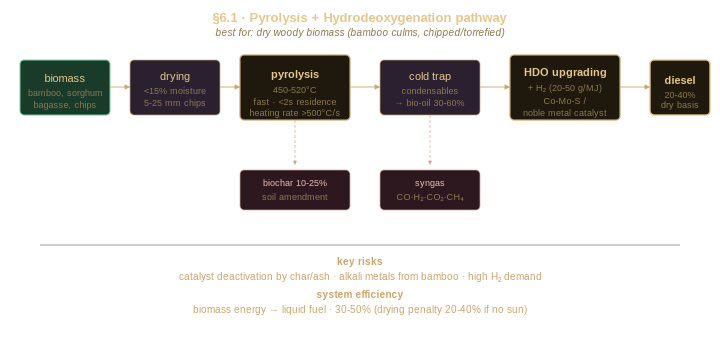
Figure 6.1 · Pyrolysis + Hydrodeoxygenation pathway
Process overview
- Pyrolysis: thermal decomposition of dry biomass (typically <15-20% moisture) in absence of oxygen. Major product streams: bio-oil (liquid, 30-60 wt% of dry feed), syngas (non-condensable gases), and char (biochar, 10-25 wt%). Product distribution depends on temperature, heating rate and residence time:
- Fast pyrolysis (350-600°C, high heating rate, short vapour residence) → maximises bio-oil.
- Slow pyrolysis (lower heating rate, longer residence) → more char.
- Upgrading bio-oil to diesel-range hydrocarbons requires catalytic hydrodeoxygenation (HDO), hydrocracking, or catalytic cracking to remove oxygen and stabilise the oil.
Feedstock and preprocessing
- Best for low-moisture, chipped bamboo culms, torrefied or dried napier/sorghum bagasse. Particle size 5-25 mm for lab/pilot units.
- Drying energy is a major cost; consider torrefaction or pelletisation to improve fuel characteristics.
Product upgrading
- Bio-oil is oxygen-rich (~20-40% O), acidic, corrosive and unstable; direct use in diesel engines is impractical.
- Upgrading steps:
- Stabilisation (mild hydrotreatment) to reduce reactivity.
- Deep hydrodeoxygenation under H₂ over sulfided or noble metal catalysts to produce hydrocarbons in diesel range.
- Fractionation (distillation) to diesel cuts and co-product separation.
- Hydrogen demand is substantial (approx. 20-50 g H₂ per MJ product depending on oxygen content and route) — H₂ source (natural gas reforming, electrolysis, or biomass gasification) affects economics and carbon balance.
Representative yields (literature ranges)
- Bio-oil yield: 30-60 wt% of dry biomass (fast pyrolysis optimised ~50-60%).
- Upgraded hydrocarbon (diesel-range) yield: ~20-40 wt% of dry biomass after HDO and loss.
- Energy efficiency (biomass energy → liquid fuel energy): 30-50% (system dependent).
6.2 Gasification + Fischer-Tropsch (FT)
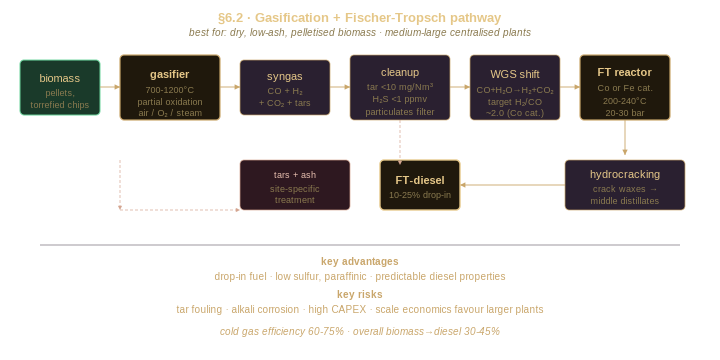
Figure 6.2 · Gasification + Fischer-Tropsch pathway
Process overview
- Gasification: partial oxidation of biomass at high temperature (700-1,200°C) to produce syngas (CO + H₂) with smaller amounts of CO₂, CH₄ and tars.
- Syngas conditioning: tar removal, particulate filtration, water-gas shift to adjust H₂/CO ratio, CO₂ removal and contaminant cleanup (alkali, sulfur, chlorine).
- Fischer-Tropsch synthesis: catalytic conversion of clean syngas over Fe or Co catalysts to produce a range of hydrocarbons; product upgrading and hydrocracking yield diesel-range FT-diesel (clean, paraffinic).
Feedstock and preprocessing
- Dry, small particle biomass (moisture <15-20%) preferred; pellets or torrefied biomass improve handling and gasifier performance. Fixed-bed, fluidised-bed and entrained flow gasifiers differ by scale and tar behavior.
- Bamboo culms, napier pellets and sorghum bagasse suitable after drying/chipping.
Product yields and energy
- Typical cold gas efficiency (chemical energy in syngas / feedstock energy): 60-75% for modern gasifiers.
- FT conversion efficiency (syngas energy → liquid hydrocarbons): ~45-60% depending on catalyst and tail gas use.
- Overall biomass → FT diesel efficiency: 30-45% (mass yield ~10-25% diesel on dry biomass basis).
- Co-production of heat and electricity from tail gases can improve overall plant energy efficiency.
Key technical risks
- Tar formation causing fouling; alkali metals from biomass (notably bamboo) can corrode catalysts and gasifier internals. Regular ash/elemental analysis recommended.
6.3 Hydrothermal liquefaction (HTL)
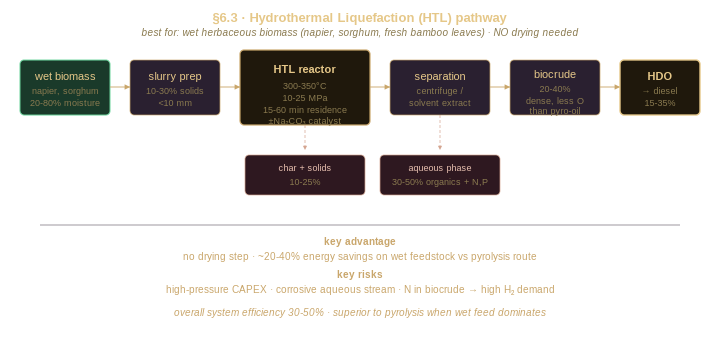
Figure 6.3 · Hydrothermal Liquefaction (HTL) pathway
Process overview
- HTL processes wet biomass (20-80% moisture) at moderate temperatures (250-350°C) and high pressures (10-25 MPa) in water to produce biocrude (high-energy, oxygenated liquid), water phase (organics + nutrients), gas and solids (char/catalyst).
- Biocrude from HTL is more similar to petroleum crude than pyrolysis bio-oil and often requires less severe upgrading (HDO/hydrocracking) to make diesel-range fuels.
Feedstock and preprocessing
- Suited to wet herbaceous biomass: napier, sorghum, and fresh bamboo leaves/shoots or chipped culms with moderate moisture. Minimal drying saves energy.
- Particle sizes <10 mm recommended for continuous reactors.
Product yields and energy
- Reported biocrude yields (energy or mass basis) vary: 20-40 wt% biocrude on dry feedstock; aqueous phase contains soluble organics (10-20%).
- Upgraded diesel yield after HDO/hydrocracking: ~15-35% of dry biomass (varies with catalyst and severity).
- Overall energy conversion can be comparable or superior to pyrolysis when drying costs are included.
Key technical risks
- Corrosive or fouling aqueous streams; nitrogen and oxygen content in biocrude increases H₂ demand for upgrading.
6.4 Biochemical routes and catalytic upgrading
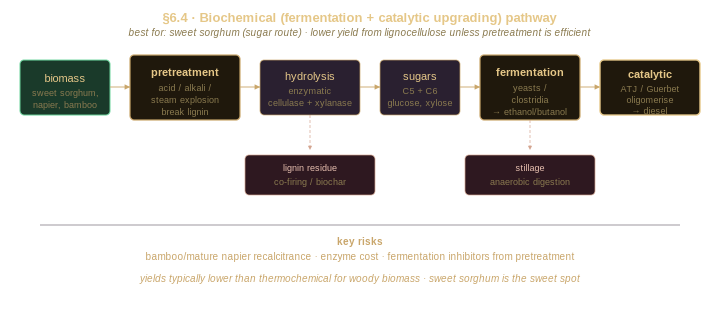
Figure 6.4 · Biochemical (fermentation + catalytic upgrading) pathway
Process overview
- Biochemical → ferment sugars from biomass to intermediates (ethanol, butanol, acetone, organic acids) then catalytically upgrade (e.g., Alcohol-to-Jet/Fuel (ATJ), Guerbet coupling, catalytic upgrading) to longer hydrocarbon chains suitable for diesel.
- Requires pretreatment and enzymatic hydrolysis for lignocellulosic feedstocks to release fermentable sugars.
Feedstock and preprocessing
- Napier and sorghum (sweet sorghum) provide sugars/starchy components more readily fermentable; bamboo and lignin-rich biomass require intensive pretreatment (acid/alkali, steam explosion) and enzymes.
Product yields and energy
- Ethanol yields from lignocellulose are lower per ton of biomass than direct thermochemical routes; upgrading ethanol to diesel-range hydrocarbons incurs additional energy and H₂ demand.
- Overall biomass → liquid hydrocarbon efficiency typically lower than thermochemical routes for lignocellulose unless sugars are abundant (sweet sorghum) and pretreatment is efficient.
Key technical risks
- Recalcitrance of bamboo and mature napier to enzymatic hydrolysis; inhibitor formation during pretreatment reducing fermentation yields.
6.5 Comparative yields and energy balances
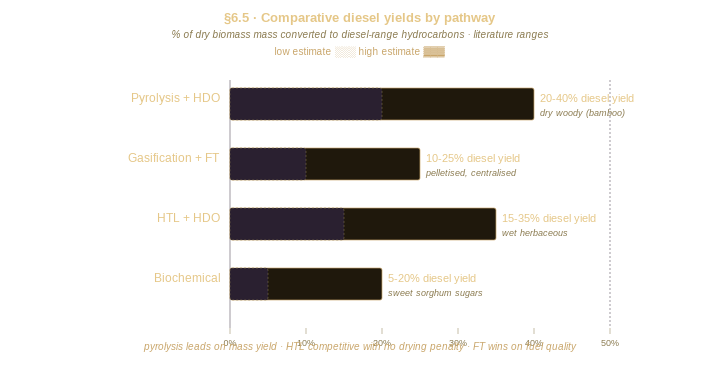
Figure 6.5 · Comparative diesel yields by pathway
Notes on energy balance considerations
- System boundary: biomass production (fertiliser, irrigation), harvesting, preprocessing (drying, chipping, pelleting), transport, conversion (CAPEX/OPEX energy), upgrading (H₂), and product distribution (co-products, heat/electricity export).
- Drying penalty: For pyrolysis/gasification, drying can consume 20-40% of biomass energy or more if passive sun-drying not possible — HTL avoids this cost for wet feedstocks.
- Hydrogen source: H₂ from steam methane reforming reduces overall bio-GHG benefits unless renewable H₂ used; biomass-derived H₂ (via gasification/shift) or electrolysis (renewable) affect economics and emissions.
- Co-product valorisation: Selling biochar, bio-oil fractions, or generating onsite power can significantly improve plant economics and overall energy recovery.
§7 · Laboratory and field methods (SOPs)
Tier · subscriber
7.1 Sampling and sample preparation
Purpose: obtain representative, traceable biomass samples for lab analyses and reactor feeds.
Reagents and consumables
- Sealable sample bags, waterproof labels, indelible marker
- Desiccant packs (silica gel)
- Ethanol 70% for surface cleaning
- Deionised water for rinsing equipment
- Aluminum or glass drying dishes (pre-weighed)
Equipment
- Analytical balance (±0.001 g) and top-loading balance (±0.01 g)
- Forced-air oven (105 ±2°C) and desiccator
- Grinder/mill (knife or hammer mill) and sieves (1 mm, 2 mm)
- Moisture analyser (optional)
- Riffle splitter or rotary/sample divider (for >100 g)
- PPE: lab coat, safety glasses, nitrile gloves, P100 respirator, heat-resistant gloves
Procedure (stepwise)
- Field composite sampling: take >10 subsamples across pile/area at different depths; combine into one composite in labeled bag; record SampleID, date/time, GPS/location, collector, pile depth, visible contaminants, and ambient conditions.
- Transport and chain-of-custody: keep samples dry/cool; log transfer events and handlers.
- Preliminary cleaning: remove visible contaminants (stones, metal) with clean tools; sieve large pieces out if needed. Record removed fractions.
- Homogenisation (field if possible): mix composite by turning or by coning & quartering; pack into sub-samples (≥500 g target for multiple analyses).
- Subsampling for drying: weigh pre-weighed drying dish (tare); place ~10-50 g subsample; record wet mass.
- Oven drying: dry at 105 ±2°C until constant mass (weigh after 4 h and repeat every 2-4 h; constancy defined as <0.5% change). Record dry mass and calculate moisture (% wet basis).
- Cooling and storage: cool dried subsamples in desiccator to room T; store in labeled airtight vials/bags with desiccant. For long term, refrigerate at 4°C.
- Grinding and sieving: grind dried sample to pass chosen sieve (default 1 mm). Collect >95% passing; record mass before/after grinding. Use dust hood and respirator.
- Final aliquoting and labeling: split homogenised powder using riffle splitter to required masses for proximate, ultimate, HTL/pyrolysis, gasification, and archive. Log all aliquots with SampleID and mass.
- Waste and decontamination: clean equipment with ethanol/water; dispose debris per waste rules.
Quality control
- Moisture repeatability ±0.5% (absolute).
- Homogenised particle size: ≥95% pass 1 mm.
- Maintain chain-of-custody logs and photographic records of field samples.
7.2 Proximate and ultimate analysis
Purpose: determine moisture, ash, volatile matter, fixed carbon (proximate) and C/H/N/S/O (ultimate) for biomass/feedstocks.
A. Moisture (drying) — reference method
- Weigh pre-dried and tared crucible (W₀). Add ~2-5 g representative sample (W₁). Record.
- Dry in oven at 105 ±2°C for 24 h or until constant mass (change <0.5% between consecutive weighings). Cool in desiccator and weigh (W₂).
- Calculate moisture (wt% wet basis) = ((W₁−W₂)/(W₁−W₀)) × 100.
B. Ash content
- Place known dried sample (~1-2 g) in pre-weighed crucible; record mass.
- Place in muffle furnace; ramp to 550 ±25°C and hold 4 h (ASTM D1102). Cool in desiccator and weigh.
- Ash wt% = (mass ash / mass dried sample) × 100. If carbonates suspected, optional pre-treatment with HCl (record both values).
C. Volatile matter (VM)
- Use crucible with known dried sample (~1-2 g). Cover loosely with lid and place in furnace preheated to 950 ±25°C for 7 min (ASTM D3175 or equivalent).
- Cool and weigh. VM wt% = ((dried sample − after VM heating) / dried sample) × 100.
D. Fixed carbon (by difference)
Fixed carbon wt% = 100 − (moisture + ash + volatile matter) (all wt% on as-received or dry basis as specified).
E. Ultimate analysis (CHNS; oxygen by difference)
- Mill sample to <0.5 mm, dry at 60-105°C to remove adsorbed moisture, store in desiccator.
- Weigh 1-2 mg into tin capsule per instrument requirements; analyse in elemental analyser with calibration standards. Run blanks and standards every 10 samples.
- Oxygen = 100 − (C + H + N + S + ash) on dry basis if instrument does not measure O.
F. Higher heating value (HHV)
Use bomb calorimeter per manufacturer SOP and calibrated with benzoic acid standard. Report HHV on dry and ash-free basis if requested.
Quality control
- Run blanks, duplicates, and certified reference materials (CRM) every batch.
- Typical reproducibility: moisture ±0.5%; ash ±0.5-1%; CHN ±0.2 wt% (instrument dependent).
7.3 Pyrolysis and HTL small-scale test protocols
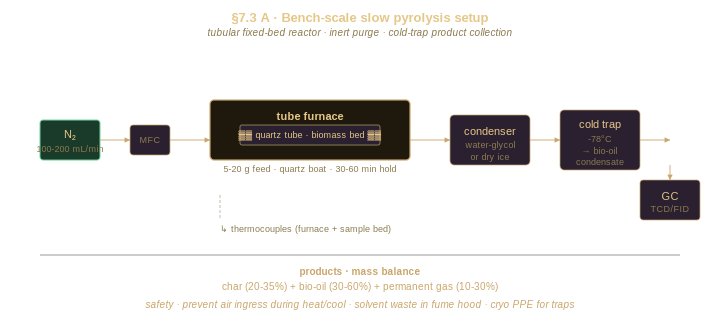
Figure 7.3 A · Bench-scale slow pyrolysis setup
Section A — Bench-scale slow/fast pyrolysis (tubular fixed-bed)
Purpose: small-scale screening of feedstocks to obtain char, condensables (bio-oil), and syngas profiles.
Procedure (slow pyrolysis default):
- Sample load: weigh 5-20 g dry feed into quartz boat; insert into reactor center. Place thermocouple 1-2 mm from sample bed.
- Purge: flow N₂ at 100-200 mL/min for ≥20 min to reduce O₂ <1%. Verify O₂ sensor if available.
- Heating: ramp 10°C/min to 450°C; hold 30 min. (For fast pyrolysis: use higher heating rate and short vapor residence; adjust feed to fluidised/bubbling bed system.)
- Product collection: direct outlet to condensers and cold traps; collect condensate in pre-weighed flasks; record trap temperature and liquid mass. Collect permanent gases via online GC or gas bags.
- Cool under N₂ to <150°C before exposing to air; recover char and weigh.
- Calculations: yields on dry basis: char%, bio-oil%, gas% as mass balance; gas composition by GC (mol% or vol%). Include mass balance closure check.
Safety notes:
- Prevent air ingress during heating and cooling to avoid explosive mixtures.
- Organic vapours and solvents are flammable — manage ignition sources and perform solvent work in fume hood.
- Liquid N₂/dry ice hazards — use cryo PPE.
Expected results (typical ranges): slow pyrolysis (450°C): char 20-35 wt%, bio-oil 30-60 wt%, gas 10-30 wt% (feed dependent).
Section B — Bench-scale HTL (stirred batch autoclave)
Procedure:
- Slurry prep: prepare known mass of dry biomass and water to desired solids loading (e.g., 15 wt%). Record masses.
- Reactor charge: load slurry and catalyst (if any); ensure reactor fill ≤2/3 volume. Install probe and seal.
- Purge: flush headspace with N₂ (3 cycles) to remove O₂. Optionally pressurise to 5-10 bar N₂.
- Heat and react: ramp to 300-350°C at 5-10°C/min while stirring (300-1000 rpm); hold 15-60 min. Monitor peak pressure.
- Quench and depressurise: cool to <80°C; vent gases into collection bag; sample gas for GC.
- Product separation: filter/centrifuge slurry to collect solids; extract biocrude from aqueous phase with DCM (3×), dry extracts with Na₂SO₄, evaporate to constant mass. Record masses of biocrude, aqueous, solids, and gas.
- Analysis: elemental analysis, GC-MS for biocrude, COD/TOC for aqueous fraction if desired. Calculate yields on dry biomass basis.
Safety notes:
- Autoclave overpressure risk — inspect for corrosion, use pressure relief devices and blast shield.
- Solvent flammability and toxicity — handle in fume hood.
- Hot pressurised fluids — avoid rapid venting; perform depressurisation per SOP.
Expected results (typical): HTL (300-350°C, 15-60 min): biocrude 20-40 wt%, aqueous organics 30-50 wt%, solids 10-25 wt%, gas 5-15 wt% (feed dependent).
7.4 Gasification and Fischer-Tropsch pilot test guidelines
Scope: pilot-scale gasification (air/oxygen/steam) coupled to gas cleanup and FT synthesis guidelines for producing synthetic fuels/chemicals. Site-specific engineering design and safety must be followed.
Pilot test flow
- Pre-commissioning and hazard review: complete HAZOP, P&ID review, safety interlocks verification, and staff training. Ensure permits and environmental controls in place.
- Feedstock prep: ensure consistent feed size and moisture (<10 wt% preferred for many gasifiers); record composition and run feedstock QC before each campaign.
- Start-up and bed ignition: follow manufacturer startup sequence; use external fuel or charbed ignition as applicable; gradually ramp oxidant flows. Monitor bed temperatures and ensure tar cracking zone established.
- Establish steady state: operate until syngas composition, tar load, and temperatures stabilise (typically 2-8 h depending on system and scale). Record mass balances, bed consumption, ash accumulation.
- Gas cleanup: monitor downstream particulate load, tar content, and H₂S/Cl levels; employ sorbents and guard beds to protect FT catalyst (target H₂S <1 ppmv, particulates <0.1 mg/Nm³).
- H₂/CO adjustment: use water-gas shift, reforming, or catalytic adjustment to obtain target H₂/CO ratio (typical 1.8-2.2 for Co catalysts; ~1.0 for certain Fe catalysts). Include CO₂ removal if required.
- FT operation: reduce/activate catalyst per vendor procedure; ramp syngas flow to target space velocity; monitor temperature, conversion, selectivity, and wax draw. Collect product fractions for analysis.
- Monitoring: continuous gas analysis, periodic tar sampling, condensed water/oil sampling, catalyst deactivation checks. Keep log of catalyst performance, pressures, and temperatures.
- Shutdown: controlled shutdown sequence to avoid catalyst oxidation; purge with inert gas as recommended. Manage residual tars and solids removal.
Expected performance metrics
- Cold gas efficiency (CGE): 60-75% (feed and gasifier dependent).
- Tar load after cleanup: <10 mg/Nm³ desirable for FT feed.
- Carbon conversion to gas: 80-95% (depending on gasifier).
- FT product distribution depends on catalyst and operating T: waxes, middle distillates, naphtha fractions; report selectivity by carbon.
7.5 Animal nutrition assays (in vitro and in vivo)
Scope: methods to evaluate biomass/byproduct suitability as animal feed, including in vitro rumen fermentation, in vitro digestibility, and in vivo feeding trials. Institutional animal care approvals (IACUC or local equivalent) required before any in vivo work.
A. In vitro rumen fermentation (batch incubation)
- Ethical and donor prep: obtain rumen fluid from fistulated donor animals under approved protocols; collect pre-feeding and keep under continuous CO₂ purge; transport at 39°C.
- Buffer prep: prepare buffer (e.g., McDougall's) and warm to 39°C; maintain anaerobic CO₂ atmosphere.
- Incubation setup: place 200 mg (dry matter basis) of sample in serum bottle with 30-40 mL buffered rumen fluid mixture (typically 1:4 rumen fluid:buffer). Flush headspace with CO₂ and seal. Include blanks and reference feeds (e.g., hay).
- Incubation: incubate at 39°C with shaking; record gas production at intervals (e.g., 2, 4, 8, 12, 24, 48 h) via pressure transducer or syringe. Collect gas samples for CH₄/CO₂ analysis by GC if required.
- End-point analyses: measure pH, VFA profile (HPLC/GC), ammonia-N (colorimetric), and residual substrate for in vitro digestibility (IVDMD).
- Calculations: cumulative gas production; IVDMD% = ((incubated DM − residual DM)/incubated DM) × 100; methane yield per g DM.
B. Enzymatic in vitro digestibility (pepsin-cellulase)
- Weigh sample (~0.5-1.0 g DM) into digestion tubes. Add pepsin solution and incubate at 39°C for 2 h (acidic pH).
- Neutralise and add cellulase/trypsin for further digestion per method (e.g., Tilley & Terry or Ankom Daisy II adjustments).
- Filter, wash, dry and weigh residue to calculate in vitro digestibility. Include blanks and replicates.
C. In vivo feeding trials (summary)
- Approvals and design: obtain IACUC approval; design randomised controlled trial with appropriate sample size and power analysis.
- Animal selection and acclimation: healthy animals, acclimate to housing and basal diet for ≥14 days.
- Diet formulation: replace or supplement basal diet with test material at predetermined inclusion rates. Record daily feed offered and refusals.
- Sampling: collect feces, urine, and measure body weights at regular intervals. For digestibility, use total collection or marker methods (e.g., acid-insoluble ash).
- Analytical endpoints: feed intake, average daily gain (ADG), feed conversion ratio (FCR), apparent digestibility coefficients, blood metabolites, rumen fermentation parameters, animal health observations.
- Statistical analysis: predefine statistical tests (ANOVA, mixed models) and significance thresholds.
§8 · Techno-economic models and templates (CSV)
Tier · subscriber
8.1 Mass balance templates
A mass balance is the bookkeeping that closes biomass-in against products-out for any conversion pathway. For pilot and full-scale plants the model is needed at three resolutions:
- Annual aggregate — input tons of biomass per year, total tons of diesel-equivalent out, co-products, losses. Used for board-level reporting and corporate carbon accounting.
- Per-batch / per-day — for batch or campaign-style operation (slow pyrolysis, HTL). Tracks moisture-in, dry feed, product yields and waste streams per batch.
- Hourly steady-state — for continuous gasification + FT or fluidised-bed pyrolysis. Required for engineering design and control-system tuning.
Required columns (annual template)
year, feedstock_type, fresh_mass_tonnes_yr, moisture_pct, dry_mass_tonnes_yr, conversion_pathway, diesel_yield_pct, diesel_tonnes_yr, biochar_tonnes_yr, syngas_GJ_yr, aqueous_tonnes_yr, water_consumption_m3_yr, H2_consumption_tonnes_yr, electricity_kWh_yr, mass_closure_pct, notes
Mass closure check
Every batch and annual row must satisfy:
mass_in − (products_out + losses + ash) ≤ 2% of mass_in
A closure outside 2% indicates a measurement or accounting error — investigate before publishing.
Practical notes
- Always record on a dry basis; convert fresh-weight inputs using measured moisture.
- For HTL, include water-consumption explicitly (slurries dilute the input mass by 3-7×).
- For pyrolysis + HDO, account for hydrogen as a feedstock (it is a mass input, not just an energy input).
8.2 CAPEX/OPEX templates
CAPEX breakdown (per project — one row per cost item)
item, category, supplier, qty, unit_cost_RM, total_RM, installation_pct, contingency_pct, depreciation_years, salvage_RM, notes
Categories used in the cooperative-scale model:
- Land and civil — site prep, building, foundations.
- Process equipment — gasifier/pyrolysis reactor, separators, condensers.
- Storage — silos, tanks, biochar pad.
- Utilities — water, electrical, compressed air.
- Instrumentation and controls — PLC, sensors, SCADA.
- Permits, engineering, project management — usually 15-25% of equipment cost.
- Contingency — 10-20% of subtotal.
OPEX breakdown (annual — one row per cost line)
year, item, category, qty, unit_cost_RM, total_RM_yr, notes
Categories:
- Feedstock — biomass from farms at the cooperative gate (RM/t DM).
- Labour — operator salaries, harvesting wage, supervision.
- Utilities — diesel/electricity for drying, transport, plant operation.
- Consumables — catalyst, solvents, sorbents, lab supplies.
- Maintenance — typically 3-5% of equipment CAPEX per year.
- Logistics — transport from aggregation hub to centralised upgrader.
- Compliance / audit / certification.
Indicative ranges for Southeast Asia smallholder cooperative (5-50 t/day biomass)
- Modular slow-pyrolysis CAPEX: RM 0.8M-3M (capacity dependent).
- Modular HTL pilot CAPEX: RM 2M-8M (high-pressure equipment dominates).
- Feedstock cost at cooperative gate: RM 80-250/t DM (depends on labour and transport).
- Labour cost: RM 30,000-60,000/yr per skilled operator in rural SEA.
These are planning-grade numbers — every project must run its own quotes before committing.
8.3 Sensitivity and NPV models
Net present value of a feed-fuel project is sensitive to a small number of drivers. Sensitivity analysis must be run before any pilot commits — to identify which parameters matter and what tolerance is acceptable.
NPV formula (standard)
NPV = Σ ( (R_t − C_t) / (1 + r)^t ) − I₀
where:
R_t= revenue in yeart(diesel + feed + co-products + biochar)C_t= operating cost in yeartr= discount rate (typically 8-15% for rural agri-bioenergy in SEA)I₀= initial capital outlay (Year 0)t = 1 .. T, project lifeT = 10-20years
Drivers ranked by typical sensitivity (high → low)
- Diesel selling price (RM/L) — direct revenue multiplier. ±20% on price typically swings NPV by ±60-100%.
- Biomass cost at gate (RM/t DM) — dominates OPEX. ±30% on biomass cost swings NPV by ±40-70%.
- Conversion yield (% diesel on dry biomass) — couples to both volume and unit cost. ±5 percentage points swings NPV by ±25-40%.
- CAPEX — affects depreciation and financing. ±25% on CAPEX swings NPV by ±20-30%.
- Discount rate — risk-adjusted; higher in less-stable markets. +5 pp on
rtypically halves NPV. - Plant utilisation (operating days/yr) — under-utilisation is the silent killer. 250 vs 320 days swings NPV by ±15-25%.
- Feed-market price (RM/kg silage or hay) — secondary but stabilising revenue.
- Biochar / co-product price (RM/t) — small base, growing premium markets.
Sensitivity CSV template
scenario, diesel_price_RM_per_L, biomass_cost_RM_per_t, conversion_yield_pct, capex_RM, discount_rate_pct, util_days_per_yr, feed_revenue_RM_yr, biochar_revenue_RM_yr, npv_RM, irr_pct, payback_years, notes
Tornado plot construction
Run base case + low and high estimates for each driver one at a time. Plot horizontal bars sorted by ΔNPV. The widest bars at the top are where due-diligence and contractual hedging matter most.
Monte Carlo extension
For projects above RM 5M total exposure, run Monte Carlo (10,000 iterations) with distributions:
- Diesel price — log-normal, σ = 25%
- Biomass cost — triangular, ±30%
- Yield — beta, peak at base case, tail to low side
- CAPEX — gamma, fat right tail (overruns more common than underruns)
Report P10/P50/P90 NPV. Insist on positive P10 before committing to construction.
Linked deliverable
The CSV templates above are exported to the JuPeL workspace as starter files. Subscribers receive them in the appendix package (§14). Cell-level formulas are populated for each pathway (pyrolysis + HDO, gasification + FT, HTL, biochemical) so a project team can swap in local prices and rerun the model the same day.
§9 · Business models and value chains
Tier · subscriber
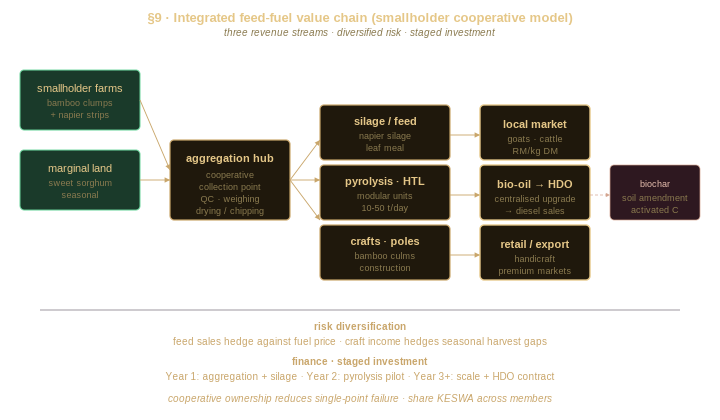
Figure 9 · Integrated feed-fuel value chain (smallholder cooperative model)
9.1 Smallholder co-operative models
The cooperative pattern is the most resilient organisational form for SEA smallholder feed-fuel ventures. It pools land that is individually too small for viable processing, shares the cost of equipment that no single farmer could justify, and aggregates volumes that meet processor quality thresholds.
Core structure
- Members: 50-500 smallholders, each contributing land and labour (not cash).
- Governance: elected committee, transparent accounts, AGM with member voting.
- Equity: members hold shares proportional to land contributed (or biomass delivered cumulative); dividends paid annually after operating reserves.
- Working capital: revolving fund built from member contributions in kind (biomass delivered against future earnings) + bank facility against equipment as collateral.
Strengths
- Land tenure stays with smallholders — no land-grab risk.
- Cooperative absorbs price volatility (smooths member income across years).
- Lower per-member CAPEX than individual investment.
- Stronger negotiating position vs centralised processors and feed buyers.
Risks and mitigations
- Governance failures — mitigate via external auditors, transparent ledger, term limits on committee.
- Free-rider problem — mitigate with minimum-delivery clauses tied to dividend eligibility.
- Side-selling to higher-paying buyers when prices spike — mitigate with relational pricing (cooperative pays a stable annual price that exceeds spot market in low years).
9.2 Decentralised modular processing
Modular pyrolysis and HTL units in the 5-50 t/day class are the natural fit for cooperative ownership. Their economics are different from centralised plants:
- Lower CAPEX per unit but higher CAPEX per ton of output.
- Lower logistics cost because biomass moves <20 km to the modular unit instead of 100+ km to a centralised plant.
- Modular = upgradable — start with one unit, add a second when volumes prove out.
Decision rule
If the catchment radius exceeds 30 km for biomass transport, the case for a centralised plant strengthens. Below 30 km, modular wins. Below 10 km, modular dominates unambiguously.
Capital efficiency by route
- Slow pyrolysis with off-site HDO upgrading — lowest per-cooperative CAPEX. Pyrolysis at the cooperative produces stable bio-oil; oil is trucked weekly to a centralised hydrodeoxygenation facility (which can serve 10-30 cooperatives).
- HTL with on-site HDO — higher CAPEX but eliminates intermediate logistics. Best when one large cooperative or industrial estate is the operator.
- Gasification + FT — requires scale that smallholder cooperatives typically cannot reach; suitable as a regional industrial venture (state-owned or PPP).
9.3 Integrated feed-fuel enterprises
The integration of feed and fuel revenue streams is the single most important design decision in SEA tropical contexts. It:
- Diversifies revenue — fuel prices and feed prices are weakly correlated, so combined revenue is more stable than either alone.
- Improves utilisation — silage capacity absorbs biomass during years of low fuel prices (when storage as feed is preferable to forced conversion at a loss).
- Builds market presence — relationships with goat farmers and dairy cooperatives unlock biochar, organic fertiliser, and digestate co-product sales.
Pricing the joint product
- Tonne of dry biomass diverted to feed yields ~RM 800-1500 (depending on silage quality).
- Same tonne diverted to fuel yields ~RM 1200-2200 (diesel value minus conversion cost).
- Both can be profitable; the optimum mix depends on local feed demand, fuel prices, and silage storage capacity.
Heuristic
In a typical SEA cooperative, target 60% biomass to fuel and 40% to feed, with the right to shift ±15% based on annual price signals.
9.4 Market and policy considerations
Markets
- Diesel substitution — fleet operators, generator users, and offgrid industrial sites are the primary diesel buyers. Direct off-take agreements at index-linked prices reduce risk for the cooperative.
- Feed markets — goat and dairy cooperatives, feedlot operators, ration formulators.
- Biochar / activated carbon — premium markets in water treatment, soil amendment, and (emerging) carbon-removal credits.
Policy levers in SEA
- Blending mandates — Indonesia, Malaysia, Thailand, Philippines all have or have proposed biodiesel blending targets (B10-B30). Drop-in FT or HDO diesel qualifies under most schemes.
- Carbon credit access — voluntary markets (Verra, Gold Standard) and emerging compliance markets (Singapore, Indonesia ETS). Biochar is now a registered carbon-removal methodology.
- Renewable energy incentives — feed-in tariffs for biomass electricity, accelerated depreciation, reduced VAT/GST on equipment.
- Smallholder protection — some jurisdictions limit foreign land tenure; cooperative structures align with local norms.
Engagement strategy
- Year 1: engage local extension services, district government, and a single anchor off-taker (often the diesel buyer).
- Year 2-3: scale the cooperative; engage with carbon project developers; apply for blending mandate qualification.
- Year 4+: certification (RSB, ISCC, or national equivalents) opens export markets and premium pricing.
§10 · Environmental, social and sustainability assessment
Tier · subscriber
10.1 GHG balance and carbon accounting
Greenhouse gas (GHG) accounting must span the full life cycle: biomass production, harvesting, processing, conversion, distribution and end use. The accounting determines whether the project qualifies under biofuel sustainability standards (RSB, ISCC, RED III) and what carbon credits, if any, are accessible.
System boundary (cradle-to-grave)
- Biomass production: fertiliser N₂O emissions, fuel for cultivation, land-use change (LUC).
- Harvest and transport: diesel for collection, chipping, transport to processing.
- Conversion: process energy (electricity, heat), hydrogen production emissions, catalyst manufacture.
- Upgrading and distribution: HDO H₂ source emissions, fuel distribution to end users.
- End use: combustion CO₂ (counted as biogenic if biomass is sustainable — usually zero in lifecycle reporting).
- Co-products: biochar permanent sequestration is a credit; aqueous-phase waste treatment is a debit.
Typical lifecycle emissions (g CO₂-eq per MJ diesel-equivalent)
- Fossil diesel reference: ~94 g CO₂-eq/MJ.
- Sustainable biomass → pyrolysis + HDO (renewable H₂): 15-35 g CO₂-eq/MJ.
- Sustainable biomass → gasification + FT (renewable H₂): 10-25 g CO₂-eq/MJ.
- HTL (no drying penalty, renewable H₂): 10-30 g CO₂-eq/MJ.
- Fossil H₂ for HDO swings these up by 30-60% — H₂ source matters enormously.
Biochar credit
Biochar applied to soil sequesters ~70-90% of its carbon for >100 years (varies by feedstock and pyrolysis conditions). A pyrolysis plant producing 1 t biochar/day at 80% C content captures ~1,000-1,200 t CO₂-eq/year as a soil amendment — a significant supplementary revenue stream if registered under a recognised methodology.
Reporting tools
- GREET model (Argonne National Lab) — standard LCA framework.
- RSB Smart tool — biofuel-specific.
- ISO 14067 — product carbon footprint standard.
10.2 Land use, biodiversity and ecosystem services
Land use
- Bamboo planted on degraded or marginal land is a net carbon sink (sequesters more than the project emits over the first 10-20 years).
- Napier monoculture on previously diverse land can be biodiversity-negative unless managed as part of a mosaic with crop rotation and habitat patches.
- Sorghum fits well into existing crop rotations and does not displace primary forest.
Biodiversity
- Bamboo plantations support some bird and small-mammal diversity, lower than primary forest but higher than annual cropland.
- Mixed-species bamboo agroforestry (multiple bamboo species, mixed with shade-tolerant crops) significantly improves biodiversity outcomes versus monoculture.
- Avoid HCV (High Conservation Value) areas — RSB and ISCC certification requires this.
Ecosystem services
- Erosion control: bamboo root mats and napier strips stabilise slopes; useful for restoration of mining-degraded or post-logging land.
- Watershed: perennials reduce sediment runoff vs annual crops.
- Pollinator habitat: limited (grasses are wind-pollinated) — supplement with flowering border strips.
10.3 Social impacts and labour
Employment
- Biomass cultivation is labour-intensive — 1-3 person-days per ton of biomass produced and delivered to the cooperative (depending on mechanisation).
- A 30 t/day cooperative plant supports ~50-150 full-time-equivalent jobs across cultivation, harvest, processing and management.
- Labour is mostly local and low-to-medium skill — fits SEA rural employment needs.
Gender
- Cultivation, sorting, and silage preparation are tasks where women's participation is high in SEA. Project design should ensure equitable wages and committee representation.
- Mechanical processing roles (operators, drivers) skew male in current practice — training programs should target gender balance.
Land tenure and free, prior and informed consent (FPIC)
- Where customary land rights apply, FPIC is mandatory before establishing cultivation. Document the process.
- Cooperative ownership structures keep land with smallholders and reduce dispossession risk.
Health and safety
- Pyrolysis and HTL plants handle high temperatures and pressures. Adequate PPE, training, and process safety management are non-negotiable.
- Biomass dust is a respiratory hazard (especially bamboo dust) — provide respirators and dust extraction.
- Crop spray (if any) and silage handling require occupational health monitoring.
§11 · Pilot project design and implementation roadmap
Tier · premium
A pilot is not a small commercial plant. It is a structured learning vehicle to retire technical and commercial risks before committing to scale. The roadmap below is calibrated for a 5-20 t/day biomass cooperative pilot in Southeast Asia.
11.1 Phase 0 — pre-feasibility (months 0-3)
- Site selection: catchment area survey (biomass density, road access, water availability, electricity reliability).
- Stakeholder mapping: smallholders, traditional leaders, district government, environmental NGOs, off-takers.
- Feedstock characterisation: collect samples from 10-30 farms; run proximate/ultimate analysis (§7.2); estimate available volumes seasonally.
- Conceptual pathway selection: based on dominant feedstock moisture and target product (diesel, biochar, feed).
- Go/no-go: at least 3,000 t DM/yr accessible biomass within 20 km, willing cooperative members ≥50, supportive local authority.
11.2 Phase 1 — engineering and partner formation (months 3-9)
- Cooperative formation: legal registration, governance structure, equity arrangement, working-capital fund.
- Engineering: process flow diagrams (P&FDs), equipment specifications, vendor RFPs, site civil engineering, permits.
- Off-take negotiations: at least one diesel off-taker with a 3-year minimum-volume agreement (preferably index-linked).
- Finance: blended finance (grants for capacity-building, soft loans for CAPEX, equity from members). Target debt:equity ratio 60:40.
- Baseline studies: GHG baseline (§10.1), biodiversity baseline (§10.2), socioeconomic baseline (§10.3).
11.3 Phase 2 — construction and commissioning (months 9-18)
- Civil works: site prep, building, foundations, utilities.
- Equipment procurement and installation: pyrolysis or HTL unit, drying/chipping, storage silos, control systems.
- Cold commissioning: water/inert gas trials, leak tests, control loop tuning.
- Hot commissioning: first biomass runs at 30-50% rated capacity, ramping over 4-8 weeks.
- Staff training: operators, lab technicians, maintenance, safety.
11.4 Phase 3 — operating ramp (months 18-30)
- Performance certification: 30 consecutive days at design capacity with product meeting specification.
- Mass-balance verification: closure within 2% (§8.1) across multiple campaigns.
- Off-taker validation: product delivered, end-use confirmed, payment received.
- Cooperative expansion: enrol additional members, expand cultivation area, plan Phase 4 capacity upgrade.
11.5 Phase 4 — scaling decision (months 30-48)
By month 30, the project has 12 months of audited performance data, real-cost OPEX figures, and validated off-take. The scaling decision is informed by:
- Achieved diesel yield vs design assumption.
- Realised feedstock cost vs Phase 0 estimate.
- Off-taker willingness to increase volumes.
- Carbon credit revenue (if biochar registered).
- Cooperative member satisfaction and retention.
Three scaling pathways:
- Replicate: build a second identical unit at a different cooperative — proves scalability of the model.
- Expand: double capacity at the existing site — proves scalability of the plant.
- Diversify: add HDO upgrading on-site, or add HTL alongside pyrolysis — proves portfolio integration.
11.6 Risk register and exit options
A live risk register is maintained from Phase 0 onwards. Major risks and their early-warning indicators:
- Feedstock shortfall: monthly delivery <80% of forecast → activate emergency feedstock contract.
- Diesel price collapse: 6-month rolling average <30% below project base → shift biomass mix toward feed and biochar.
- Off-taker default: missed payment → activate clause shifting product to spot market while pursuing remedy.
- Catalyst poisoning (pyrolysis + HDO): premature replacement → engage vendor for root-cause analysis.
- Cooperative governance crisis: external mediator pre-identified in cooperative charter.
Exit / wind-down clauses: the cooperative charter and CAPEX-finance agreements must specify exit conditions. Equipment salvage value (~20-30% of CAPEX after 5 years) must be sufficient to retire debt in a forced wind-down.
§12 · Recommendations and conclusions
Tier · subscriber
12.1 Headline recommendations
-
Lead with feed, follow with fuel. Silage and animal-feed revenue stabilises cash flow during the first 18-24 months when conversion technology is still being tuned. Fuel revenue scales as the plant matures.
-
Match conversion route to feedstock moisture. Dry woody bamboo → pyrolysis + HDO. Wet napier → HTL. Sweet sorghum sugars → biochemical (if scale supports it).
-
Decentralise the front end, centralise the upgrade. Bio-oil and biocrude are stable, transportable intermediates. Pyrolysis or HTL belong at the cooperative; HDO can be regional and serve 10-30 cooperatives.
-
Bank the biochar. Biochar is a near-permanent carbon sink with growing market value. Register the project under a recognised methodology (Puro.earth, Verra, Gold Standard) from day one.
-
Cooperative ownership is the SEA-appropriate structure. It keeps land in smallholder hands, distributes risk, and aligns with local norms. Avoid corporate land-acquisition models.
-
Test before scaling. Run a 5-20 t/day pilot for 24 months minimum. Real performance data from a tropical, smallholder context is more valuable than any literature estimate.
12.2 Conclusions
Bamboo, napier and sorghum are credible feed-fuel feedstocks for Southeast Asia. The technical pathways exist and the economics work in cases where:
- Biomass is aggregated through cooperatives (rather than purchased from atomised smallholders at spot prices).
- Feed and biochar co-product revenue offsets the high capital cost of fuel upgrading.
- Pilot-stage learning is funded by blended finance (grants + soft loans) rather than commercial debt.
- Off-take agreements are index-linked and long-term.
The principal failure modes are: under-scaled pilots that never reach steady-state; over-reliance on diesel price as a single revenue lever; corporate land-acquisition models that erode community support; and inadequate due-diligence on feedstock seasonality.
A well-structured pilot in Southeast Asia can deliver:
- 1,000-3,000 t/yr diesel-equivalent.
- 500-1,500 t/yr biochar (with carbon credit revenue).
- 500-2,000 t/yr silage-equivalent feed.
- 50-150 full-time-equivalent rural jobs.
- 10-30 g CO₂-eq/MJ lifecycle emissions vs ~94 for fossil diesel.
The next step for interested parties is to commission a Phase 0 pre-feasibility study (§11.1) at a specific candidate site.
12.3 Open research questions
Several questions remain incompletely answered in the literature and would benefit from pilot-stage research:
- Long-term effects of repeated bamboo culm harvest on clump productivity and soil carbon.
- Optimal silage-vs-fuel allocation rule under stochastic price signals.
- Catalyst lifetime in HDO of bamboo-derived bio-oil at SEA tropical operating conditions.
- Aqueous-phase valorisation pathways from HTL (currently a waste stream, potentially a revenue stream).
- Genetic improvement potential in napier and sorghum for combined feed + fuel traits.
JuPeL invites collaboration on these open questions. Contact M A Sani at TLAQ.org for collaborative research enquiries.
§13 · References
Tier · free
References will be populated as the document matures. The literature spans agronomy of bamboo, napier and sorghum; thermochemical conversion (pyrolysis, gasification, HTL); biochemical conversion; techno-economic analysis of biofuel projects; and Southeast Asia regional agricultural policy.
Key source domains
- FAO — Agronomy of bamboo, napier and sorghum; tropical livestock feeds.
- IEA Bioenergy Task 34 — Pyrolysis and direct thermochemical liquefaction.
- IEA Bioenergy Task 33 — Gasification of biomass.
- NREL technical reports — Techno-economic models for biofuel pathways.
- PNNL — Hydrothermal liquefaction process design.
- IUFRO — Bamboo silviculture.
- CGIAR / ILRI — Tropical livestock feeds and napier.
- Brill SEA series — Regional agricultural and policy context.
- MyTREES / FRIM — Malaysian bamboo research.
- Kasetsart University — Thai napier hybrid development.
Citation format
Vancouver style with DOI where available. Full reference list to be appended at v1.0 publication of this document.
A subscriber-only annotated bibliography (with reading notes from M A Sani) is planned for the next release.
§14 · Appendices (SOPs, data sheets, CSV templates)
Tier · premium
A. CSV templates (downloadable)
The following CSV templates accompany this report. Premium subscribers receive them as downloadable files via the JuPeL workspace.
A.1 Biomass sampling log
SampleID,Date,Location,Collector,RawMass_g,DryMass_g,Moisture_wtpct,ParticleSize_mm,SievePass_pct,StorageLocation,Notes
B001,2026-05-30,SiteA-Pile1,A.Smith,500.0,450.0,10.0,1.0,98,Freezer1,"surface sample, removed stones"
A.2 Pyrolysis run data
RunID,Date,Operator,Feed_SampleID,FeedMass_g,FeedMoisture_wtpct,ReactorType,FurnaceSetpoint_C,HeatingRate_Cpermin,HoldTime_min,N2Flow_mLnmin,CharMass_g,BioOilMass_g,GasCalcLoss_g,CharYield_wtpct,BioOilYield_wtpct,GasYield_wtpct,Gas_H2_volpct,Gas_CO_volpct,Gas_CO2_volpct,Gas_CH4_volpct,Notes
Pyr001,2026-05-30,A.Smith,B001,10.00,10.0,Tubular,450,10,30,150,2.50,4.20,0.30,25.0,42.0,33.0,12.5,18.0,22.0,2.5,"slow pyrolysis, quartz tube"
A.3 HTL experiment
RunID,Date,Operator,Feed_SampleID,DryFeedMass_g,WaterMass_g,SolidsLoading_wtpct,Catalyst,CatLoading_wtpct,ReactorVolume_mL,FillFraction_wtpct,Temp_C,HoldTime_min,StirRate_rpm,PeakPressure_bar,BiocrudeMass_g,AqueousMass_g,SolidsMass_g,GasVolume_mL,BiocrudeYield_wtpct,AqueousYield_wtpct,SolidsYield_wtpct,GasYield_wtpct,Notes
HTL001,2026-05-30,A.Smith,B001,5.00,28.47,15,Na2CO3,1.0,100,33,320,30,600,12.5,1.80,25.0,0.90,150,36.0,50.0,18.0,6.0,"15% solids, Na2CO3 catalyst"
A.4 Gasification run
RunID,Date,Operator,Feed_SampleID,FeedMass_g,FeedMoisture_wtpct,ParticleSize_mm,GasifierType,Oxidant,OxidantFlow_SLPM,SteamFlow_gmin,EquivalenceRatio,AvgBedTemp_C,RunDuration_min,SyngasVolume_L,Gas_H2_volpct,Gas_CO_volpct,Gas_CO2_volpct,Gas_CH4_volpct,TarCollected_g,AshMass_g,ColdGasEfficiency_pct,CarbonConversion_pct,Notes
GAS001,2026-05-30,A.Smith,B001,80.0,8.0,3.0,Downdraft,Air,5.0,0.0,0.25,850,120,45.0,15.0,28.0,12.0,1.5,3.2,5.6,62.0,91.5,"steady-state, air-blown"
A.5 Techno-economic sensitivity
scenario,diesel_price_RM_per_L,biomass_cost_RM_per_t,conversion_yield_pct,capex_RM,discount_rate_pct,util_days_per_yr,feed_revenue_RM_yr,biochar_revenue_RM_yr,npv_RM,irr_pct,payback_years,notes
base,3.50,180,25,1200000,12,300,180000,90000,420000,17.2,5.8,"30 t/day pyrolysis + off-site HDO"
low_diesel,2.80,180,25,1200000,12,300,180000,90000,-180000,8.1,>20,"-20% diesel price"
high_biomass,3.50,240,25,1200000,12,300,180000,90000,90000,13.4,9.1,"+33% biomass cost"
high_yield,3.50,180,32,1200000,12,300,180000,90000,720000,21.5,4.2,"+7pp conversion yield"
B. Detailed SOPs
Detailed protocols expand the summaries in §7. Premium subscribers access them as PDF documents:
- B.1 — Biomass sampling and sample preparation (extended)
- B.2 — Slow pyrolysis (bench-scale, tubular)
- B.3 — Hydrothermal liquefaction (batch autoclave)
- B.4 — Fixed-bed gasification (bench-scale)
- B.5 — In vitro rumen fermentation (batch incubation)
C. Equipment vendor checklist
A consolidated list of equipment vendors known to supply pilot-scale equipment to Southeast Asia, with indicative price ranges and contact details. Updated quarterly.
D. Pilot project Phase 0 template
A standardised Phase 0 pre-feasibility template (Microsoft Excel + PDF report skeleton) to be customised for a candidate site.
Appendices C and D are restricted to premium subscribers due to the operational sensitivity of vendor relationships and the cost of maintenance. Premium-tier subscriptions also unlock AssistI(JuPeL) — an AI research assistant trained on the JuPeL corpus that can answer questions, generate variants of these CSV templates, and help interpret your own pilot-stage data.
JuPeL · TLAQ.org · Document slug: bamboo-napier-sorghum-seasia · Status: published